



Connector Materials and Their Impact on Performance
When we think about electronic devices, the focus often falls on the flashy screens, powerful processors, and sleek designs. But what about the invisible forces that make it all work seamlessly?
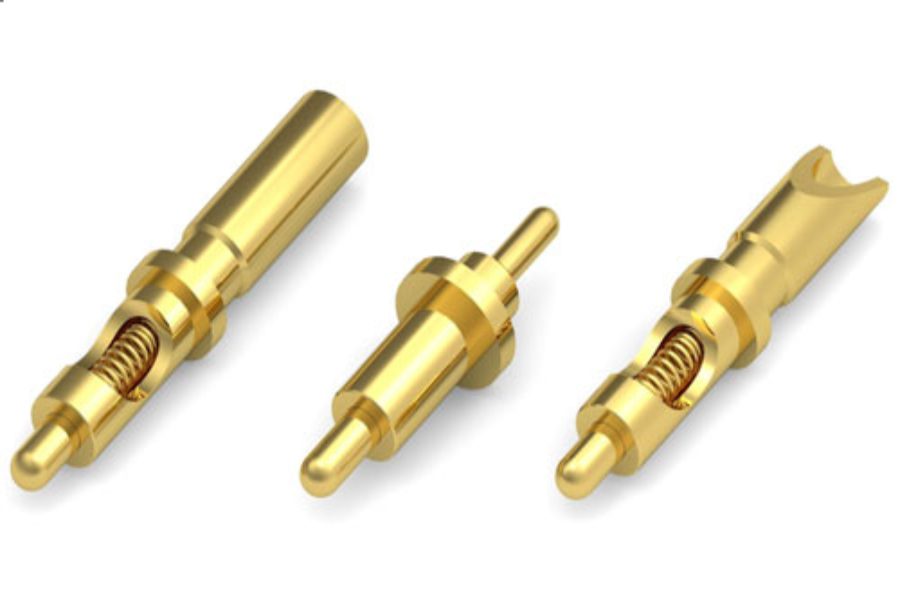
Connectors, albeit small, play a vital role in ensuring the flow of data and power within our devices. However, what many might overlook is the significant influence of materials on the overall performance of connectors, including spring-loaded pogo pin connectors. Let’s look at connector materials and discover how they affect the performance of our electronic gadgets.
The Building Blocks: Connector Materials
Connector materials are the substances used to manufacture the physical components that connect various portions of an electronic system. This spectrum of materials spans from metallic options like copper and aluminium to a diverse array of polymers and ceramics. Each material boasts unique characteristics that render it suitable for a range of applications.
1. Conductivity and Electrical Performance
The first key factor to consider when choosing connector materials is electrical conductivity.
In simple terms, electrical conductivity measures how easily a material allows the flow of electrical current. For most connectors, metals like copper are preferred due to their exceptional conductivity.
Copper connectors ensure minimal resistance, which means less energy is lost as heat, resulting in improved efficiency and reduced power consumption in electronic devices.
2. Corrosion Resistance
Corrosion can be a significant concern, especially in connectors exposed to harsh environments or high humidity. Corroded connectors can cause poor electrical contact, signal degradation, and ultimately, device failure.
Choosing corrosion-resistant materials, such as gold or nickel-plated connectors, is crucial in ensuring long-term reliability as well as effectiveness.
3. Mechanical Durability
Connectors are no strangers to mechanical stress, from repetitive plugging and unplugging to vibrations and shocks. Hence, the choice of connector materials significantly impacts their mechanical durability.
Rigid materials like stainless steel provide robustness, while certain plastics offer flexibility and resilience. The selection should align with the specific requirements of the device and its intended usage.
4. Temperature Tolerance
Electronic devices operate in a wide range of temperatures, from freezing cold to scorching heat. Connector materials must be capable of withstanding these extreme conditions without experiencing performance degradation.
For instance, connectors used in aerospace applications must handle both extreme cold at high altitudes and intense heat during reentry. The choice of materials plays a pivotal role in ensuring these connectors perform reliably under such conditions.
5. Weight Considerations
In certain applications, especially in industries like aerospace and automotive, weight is a critical factor. Lighter connector materials can contribute to overall weight reduction, a key consideration for fuel efficiency and performance. Materials like aluminium are favoured for their lightweight properties while still offering acceptable electrical performance.
The Role of Plating
In addition to the base connector material, plating plays a significant role in enhancing performance. Plating involves depositing a thin layer of a different material, such as gold or silver, onto the connector’s surface. Plating serves multiple purposes:
- Improved conductivity: Gold plating, for example, enhances electrical conductivity and ensures a reliable, low-resistance connection.
- Corrosion resistance: Plating provides an additional layer of protection against corrosion, extending the connector’s lifespan.
- Lubrication: Some connectors incorporate lubricious coatings to reduce friction and wear during insertion and removal.
Conclusion
Connector materials may seem to be a minor detail in the grand scheme of electronic device design; however, their significance is far from insignificant. The materials used can influence the operational efficacy, reliability, and long-term functionality of these connectors. This, in turn, has a knock-on effect on the device’s overall lifespan and performance.
Understanding how different materials affect performance allows you to design more efficient and dependable electronic devices. Ultimately, this enhances the user experience and pushes the boundaries of what technology can achieve.
As a leading electrical components store and distributor in Singapore, Wiselink is your reliable partner in delivering high-quality pogo connectors and electrical components for your projects. With a diverse selection of materials and configurations from reputable brands, we empower you to make the best decisions for optimal performance, reliability, and lifespan. Explore our catalogue today to maximise the possibilities of your technological longevity. Your path to innovation begins with us.
YOU MAY BE INTERESTED IN…

Electric Component Troubleshooting: Common Issues & Solutions
Pin Technology Comparison: Through-Hole vs Surface Mount
Answers to Common Questions about TMR Magnetic Sensors